Với người hâm mộ, được vừa xem trận đấu vừa theo dõi biến động tỷ lệ là một trải nghiệm hấp dẫn. Nhiều nền tảng hiện nay tích hợp phát trực tiếp cùng bảng kèo cập nhật theo thời gian thực. Tuy nhiên, sự tiện lợi này cũng đi kèm những rủi ro tâm lý […]
Cách nhận biết một nhà cái uy tín giữa vô vàn lựa chọn
Thị trường nhà cái trực tuyến hiện nay có rất nhiều cái tên, khiến người chơi khó phân biệt đâu là nơi đáng tin. Việc chọn nhầm một nền tảng kém chất lượng có thể dẫn đến mất tiền oan, bị làm khó khi rút hoặc lộ thông tin cá nhân. Dưới đây là những […]
Hướng dẫn đăng ký và đăng nhập tài khoản nhà cái cho người mới – channel35mm
Với người lần đầu tiếp cận các trang cá cược bóng đá trực tuyến, bước đăng ký và đăng nhập thường gây bối rối nhất. Thực tế quy trình không phức tạp, nhưng nếu làm cẩn thận ngay từ đầu, bạn sẽ tránh được nhiều rắc rối về sau như quên mật khẩu, nhập sai […]
Hiểu tỷ lệ kèo bóng đá: cách đọc con số cho người bắt đầu
Với người mới, bảng tỷ lệ kèo bóng đá thường trông như một mớ con số khó hiểu. Tuy nhiên, khi nắm được cách đọc, bạn sẽ hiểu rõ hơn những con số này phản ánh điều gì và vì sao chúng thay đổi. Bài viết này giải thích các khái niệm cơ bản một […]
Giải trí trực tuyến quanh bóng đá: nhiều lựa chọn, một sự tỉnh táo
Ngày nay, niềm vui quanh trái bóng không chỉ dừng ở việc xem trận đấu. Từ theo dõi trực tiếp, đọc phân tích, tham gia dự đoán vui đến các hình thức giải trí trực tuyến khác, người hâm mộ có vô số cách kết nối với môn thể thao yêu thích. Tuy nhiên, giữa […]
Scan 35mm Negatives at Home Without Muddy Color

A practical guide to scanning 35mm negatives at home: camera vs flatbed, inverting color, killing the orange mask, and getting clean, accurate results.
How to Load 35mm Film Right (No Blank Rolls)

Learn how to load 35mm film correctly, confirm it’s advancing, and avoid blank rolls, light leaks, and fogging with clear steps and fixes.
Sharp Handheld 35mm Shots: Fix Camera Shake

Stop soft photos on manual 35mm cameras. Learn shutter-speed rules, holding technique, and focus habits that deliver consistently sharp handheld frames.
Get Sharp Scans From Your 35mm Negatives at Home

Muddy, soft scans waste good negatives. Learn how to get sharp, clean scans from your 35mm film at home, from dust control to the right settings.
Scan 35mm Negatives at Home for Sharp, Clean Results

How to scan 35mm negatives at home with a flatbed or camera setup: get sharp, dust-free, well-inverted scans and avoid the mistakes that flatten your images.
How to Load 35mm Film Without Ruining a Roll

Blank rolls and light leaks start at loading. Learn how to load 35mm film correctly, confirm it is advancing, and stop wasting rolls for good.
Sunny 16 Rule: Expose 35mm Film Without a Meter

No light meter? The Sunny 16 rule lets you expose 35mm film accurately by reading the light. Learn the rule, the shifts, and the common mistakes.
Handheld Sharpness on 35mm Film: Beat Camera Shake

Stop blurry handheld shots on 35mm film. Learn the shutter speed rule, bracing technique, and fixes for camera shake to get consistently sharp frames.
Metering Backlit and High-Contrast Scenes on 35mm Film

Fix blown skies and dark faces on 35mm film. Learn to meter backlit and high-contrast scenes so your negatives hold detail where it matters.
Zone Focusing on a 35mm Camera: A Practical Guide

Learn zone focusing on a 35mm camera to catch fast moments in sharp focus. Set your aperture, distance, and hyperfocal point with confidence.
Develop Black-and-White 35mm Film at Home Consistently

A practical guide to developing black-and-white 35mm film at home for consistent negatives: chemistry, temperature, agitation, and the mistakes to avoid.
Load 35mm Film Onto a Reel in the Dark, Every Time

Struggling to load 35mm film onto a developing reel? Learn the technique, practice steps, and fixes for jams and creases so every roll develops evenly.
How to Scan 35mm Negatives at Home Without Losing Detail

A practical guide to scanning 35mm negatives at home: gear, workflow, and fixes for dust, color casts, and soft scans that lose real film detail.
The Sunny 16 Rule for 35mm Film: No Meter Needed

Learn the Sunny 16 rule to expose 35mm film accurately without a light meter, with a full aperture chart, real examples, and the mistakes that ruin frames.
Why Negative Film Rewards Exposing for the Shadows

Photographers who arrive at film after years of shooting digital usually carry one habit that quietly sabotages their negatives: a fear of overexposure. On a digital sensor, blown highlights are gone forever, so the safe move is to underexpose slightly and lift the shadows later. Color and black-and-white negative film behave almost exactly the opposite […]
Working Within the Discipline of a Single 50mm Lens

Ask a room of experienced film photographers which single lens they would keep if they had to give up the rest, and a striking number will name the humble 50mm. On a 35mm camera it is the least glamorous focal length in the bag, offering no dramatic wide-angle sweep and no telephoto compression, and that […]
Understanding Film Speed and How ISO Shapes Your Negatives
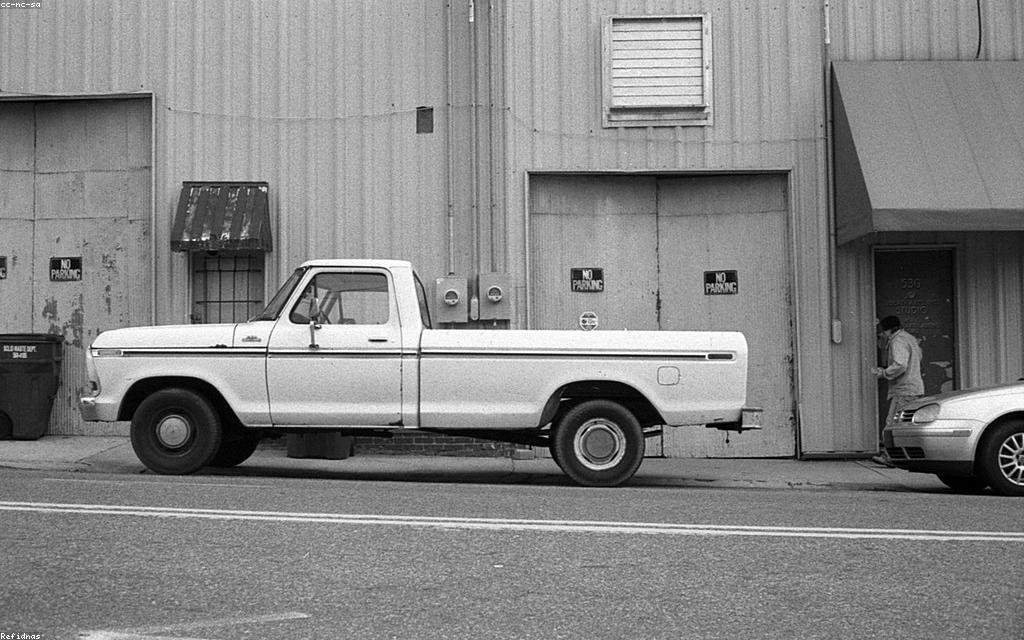
Film speed is one of the first concepts every analog photographer encounters, and it is also one of the most misunderstood. The number printed on the box, whether it is 100, 400, or 3200, tells you how sensitive the emulsion is to light. A higher number means the film reacts to light more quickly, which […]
Developing Black and White Film in Your Kitchen

Nothing about home film development requires a dedicated darkroom, an expensive laboratory, or a chemistry degree. Black-and-white film in particular is one of the most beginner-friendly processes in all of photography, and the single most common reason people never try it is a vague belief that it is harder than it is. In reality, if […]
Getting Sharp, Clean Scans From Your Negatives at Home

Shooting film is only half of the modern film photographer’s life. Unless you print every frame in a wet darkroom, your negatives eventually have to become digital files, whether to share online, to edit, or simply to see them properly. The scanning stage is where a great many otherwise excellent rolls are quietly ruined, buried […]
A Practical Guide to Loading and Caring for a 35mm Camera

The moment of loading a fresh roll of film is small but consequential. A misloaded roll can mean an entire shoot of blank frames, the kind of disappointment that teaches a hard lesson. Yet loading a 35mm camera correctly takes only a few seconds once the steps become second nature. Just as important is the […]
Reading Light Without a Meter Using the Sunny Sixteen Rule

Long before cameras carried built-in light meters, photographers exposed their film accurately by reading the quality of daylight and applying a simple set of relationships. That body of knowledge survives today as the Sunny Sixteen rule, a deceptively powerful guideline that lets you estimate correct exposure using nothing but your eyes and a basic understanding […]
How Black and White Film Renders the World in Tone

Stripping color from a photograph might seem like a loss, yet black and white film has endured precisely because of what it reveals rather than what it removes. Without the distraction of hue, the image becomes a study in tone, texture, light, and form. Learning to see and shoot in monochrome is a distinct discipline, […]
Developing Your First Roll of Black and White Film at Home

There is a particular magic in pulling a freshly developed strip of negatives from the tank and holding it to the light for the first time, knowing that you alone turned latent images into permanent ones. Home development sounds intimidating, conjuring images of darkrooms and toxic chemistry, but black and white processing is remarkably approachable. […]
Choosing Between 35mm and Medium Format for Your Photography

One of the defining decisions an analog photographer faces is which film format to commit to. The two most common choices, 35mm and medium format, each carry distinct strengths, costs, and creative implications. The difference between them is not simply about image size; it shapes how you shoot, what equipment you carry, how much each […]
Why Film Photography Slows You Down and Why That Matters
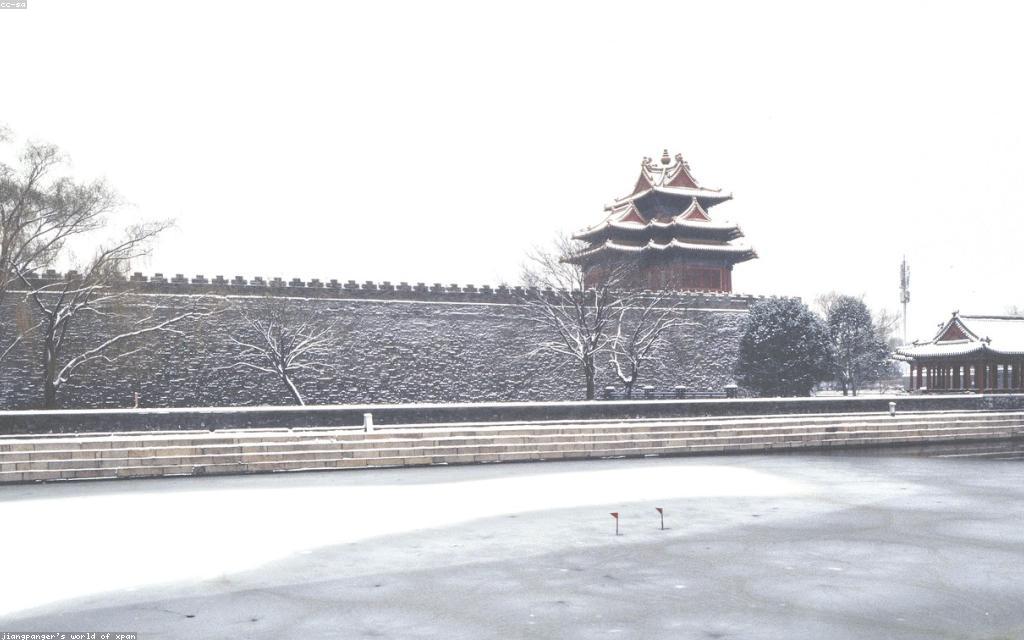
In a world where a phone can capture hundreds of images in a single afternoon at no cost, choosing to shoot film seems almost perverse. Each frame costs money, the roll holds only a few dozen exposures, and you cannot see the result until days later. Yet these very limitations are the reason many photographers […]