Reading Light Without a Meter Using the Sunny Sixteen Rule
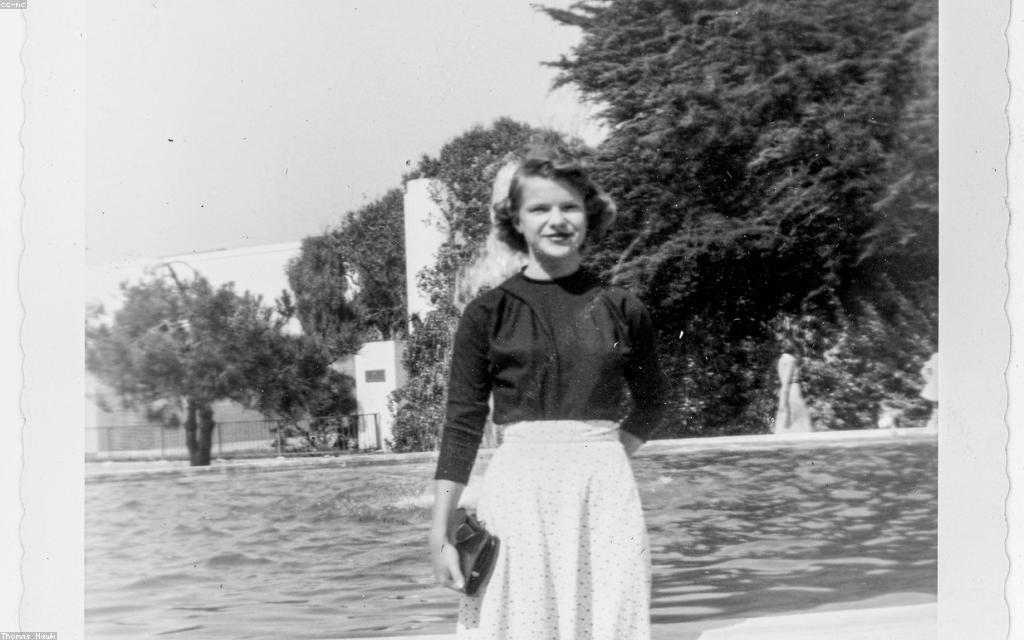
Long before cameras carried built-in light meters, photographers exposed their film accurately by reading the quality of daylight and applying a simple set of relationships. That body of knowledge survives today as the Sunny Sixteen rule, a deceptively powerful guideline that lets you estimate correct exposure using nothing but your eyes and a basic understanding of how aperture, shutter speed, and film speed interact. Mastering it frees you from dependence on batteries and trains you to truly see light.
The Core of the Rule
The rule states that on a bright sunny day, with your aperture set to f/16, the correct shutter speed is the reciprocal of your film speed. If you are shooting a 100 speed film, that means f/16 at one over one hundred of a second, or the nearest available setting such as one over one hundred twenty-five. Load a 400 film and the pairing becomes f/16 at roughly one over four hundred, or the nearest one over five hundred. This single anchor point gives you a known correct exposure in full sun without any meter at all.
From that anchor, everything else is adjustment. Because aperture and shutter speed are reciprocal, you can trade one for the other while keeping the total light constant. Open the aperture by one stop to f/11 and you must halve the light elsewhere by doubling the shutter speed. This equivalence is the engine that makes the whole system work, and internalizing it is the key to confident metering by eye.
Adjusting for Different Skies
Sunlight is rarely as simple as a cloudless noon. The Sunny Sixteen rule extends gracefully to other conditions by opening the aperture progressively as the light softens. The classic ladder of adjustments looks like this:
- Bright sun with hard, distinct shadows calls for f/16.
- Slightly hazy sun with soft-edged shadows calls for f/11.
- Overcast skies where shadows are barely visible call for f/8.
- Heavy overcast with no visible shadows at all calls for f/5.6.
- Open shade or sunset light calls for f/4.
The presence and sharpness of shadows is your most reliable guide. A subject casting a crisp, dark shadow tells you the light is hard and intense, so you stop down. A subject with no shadow at all signals diffuse, weaker light, so you open up. Learning to glance at a shadow and translate it into an aperture is the heart of metering without instruments.
Why the Rule Works So Well
The reason this approach is so dependable lies in the consistency of sunlight. The sun is an enormous, distant source whose intensity at the earth’s surface varies within a predictable range during the useful hours of the day. Unlike artificial light, which can differ wildly in brightness, midday sun is remarkably stable. That stability is what allowed photographers for generations to expose accurately by rule rather than by measurement. Modern negative films also have a forgiving exposure latitude, meaning they tolerate being off by a stop in either direction, which gives your estimates a comfortable margin for error.
Practicing the Skill Deliberately
The fastest way to learn this rule is to test your guesses against a meter and observe the difference. Before raising a metered camera or phone app to your eye, decide aloud what aperture and shutter the scene demands. Then check the meter and note how close you came. After a few dozen scenes, your estimates will tighten dramatically. You will begin to feel the difference between hard noon light and the gentler glow of late afternoon without consciously analyzing it.
It also helps to shoot a deliberate test roll using only the rule. Photograph the same kinds of scenes you usually encounter, record your reasoning for each frame, and study the developed results. Frames that came out too dark or too bright become lessons that refine your internal calibration. This kind of practice builds a durable instinct that no battery can drain.
Where the Rule Reaches Its Limits
The Sunny Sixteen rule is a daylight tool, and it loses precision once you move into complex or artificial lighting. Indoor scenes lit by lamps, stage lighting at a performance, or the mixed glow of streetlights at night vary too much to estimate reliably, and a meter or experience-based bracketing becomes valuable. Backlit subjects also fool the rule, since the bright background does not represent the light falling on your subject’s face. In those cases you open up a stop or two to expose for the subject rather than the overall scene.
Snow and sand present the opposite trap. These bright surfaces reflect so much light that a naive reading leaves your main subject underexposed. When working in such reflective environments, opening up about a stop from the rule keeps faces and details properly bright. Recognizing these exceptions is part of mastering the method rather than a sign that it has failed.
The Confidence of Seeing Light Directly
There is a quiet satisfaction in raising a fully manual camera, glancing at the sky and the shadows, setting your exposure from understanding alone, and capturing a perfectly exposed frame. The Sunny Sixteen rule is not merely a backup for when your meter dies; it is a way of learning to read the world in terms of light. Once that vision develops, you carry it everywhere, and you find yourself noticing the texture and direction of light in moments when no camera is in your hands at all.