How Black and White Film Renders the World in Tone
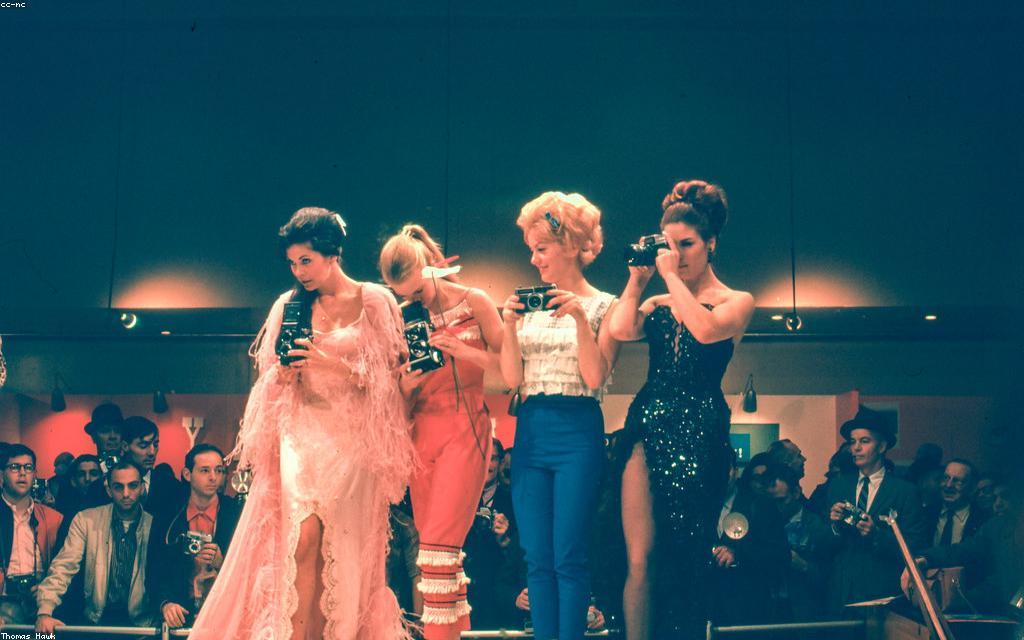
Stripping color from a photograph might seem like a loss, yet black and white film has endured precisely because of what it reveals rather than what it removes. Without the distraction of hue, the image becomes a study in tone, texture, light, and form. Learning to see and shoot in monochrome is a distinct discipline, one that asks you to translate the colorful world in front of you into a scale of grays before you ever press the shutter.
Thinking in Tones Instead of Colors
The fundamental shift in black and white photography is learning to ignore color and instead evaluate brightness. A red apple and a green leaf might be vividly different to your eye, yet on panchromatic film they can render as nearly identical shades of gray. This is why a scene that looks dynamic in color can fall flat in monochrome: the elements that separated it relied on hue, not tonal contrast. Conversely, a scene that looks dull and muted in color can become striking in black and white if it has strong differences in light and shadow.
Training yourself to see this way takes practice. A useful exercise is to squint at a scene, which blurs detail and color while preserving the broad distribution of light and dark. What remains is closer to how the film will interpret the moment. Over time you begin to anticipate which subjects will translate powerfully and which will lose their impact when the color is gone.
The Role of Contrast and Light Direction
Because tone carries the entire image, the direction and quality of light matter even more in black and white than in color. Side light that rakes across a textured surface reveals every ridge and grain, turning an ordinary wall or weathered face into a landscape of detail. Flat, frontal light, by contrast, erases that texture and produces a lifeless gray. Strong directional light creates the deep blacks and bright highlights that give monochrome images their drama.
Contrast is also a creative variable you control through your choice of film and development. A high-contrast approach produces bold blacks and brilliant whites with few midtones, ideal for graphic, punchy compositions. A lower-contrast approach preserves a long, smooth range of grays, which suits subtle subjects like soft portraits or misty landscapes. Understanding where you want a scene to sit on that spectrum guides your decisions from exposure through printing.
Using Colored Filters to Shape the Gray Scale
One of the most powerful and overlooked tools in black and white photography is the colored filter placed over the lens. Because the filter lightens its own color and darkens the opposite, it lets you control how different parts of a scene translate into gray. This is the closest thing monochrome offers to painting with tone. Common choices include:
- A yellow filter gently darkens blue skies, making clouds stand out, and is a sensible everyday choice.
- An orange filter deepens skies further and reduces haze, adding drama to landscapes.
- A red filter produces dramatic near-black skies and stark contrast, a bold and theatrical effect.
- A green filter lightens foliage and renders skin tones more naturally in portraits.
Each filter absorbs some light, so you must compensate your exposure to account for the loss. The reward is precise control over the relationship between sky and cloud, skin and lip, leaf and bark, all rendered in gray according to your intent rather than the film’s default interpretation.
Composition Carries More Weight
When color is absent, the structure of an image must do more work. Lines, shapes, patterns, and the balance of light and dark masses become the primary tools of composition. A strong leading line draws the eye through the frame; a bold area of shadow anchors one side against a bright counterpoint on the other. Without color to create separation or mood, these formal elements become the language of the photograph.
This is why black and white is such an excellent teacher of composition. It forces you to organize the frame deliberately, because you cannot rely on a splash of color to rescue a weak arrangement. Many photographers credit a period of shooting only monochrome with sharpening their eye for structure in a way that improved all their later work, color included.
The Forgiving Nature of the Negative
Black and white negative film is wonderfully forgiving and rewards experimentation. It tolerates a wide range of exposure, holds detail in both deep shadows and bright highlights, and responds beautifully to push and pull development. This latitude makes it an ideal medium for learning, since small mistakes rarely ruin a frame. It also invites home development, because the chemistry is simpler and more accessible than color processing, giving you complete control over the final character of your images.
That control is part of the enduring appeal. By adjusting development time, dilution, and agitation, you can tune the grain, contrast, and tonality of a single film to suit your vision. Two photographers handed the same stock can produce dramatically different results, which makes black and white a deeply personal medium.
Why Monochrome Still Matters
In an age of saturated digital color, black and white film offers a quiet, timeless quality that strips a subject down to its essence. It asks the viewer to engage with light and form directly, without the seductive shortcut of color. For the photographer, it is a continual lesson in seeing: in finding the drama in shadow, the texture in side light, and the structure in a well-organized frame. Far from a limitation, the absence of color becomes a discipline that makes you a more perceptive and intentional image maker.